
Holiday precautions for small dogs start with controlling access to food, decorations, and busy doorways.
A dropped chocolate, dangling ornament, or open front door can create trouble during an otherwise happy gathering.
If you're hosting, it's easy to miss what happens near the floor while you're greeting guests or serving dinner.
A little advance preparation can protect your dog without taking the fun out of the celebration.
These five precautions will help you make room for your dog's safety and comfort alongside your holiday plans.
5 Holiday Precautions to Take for Small Dogs
Take a look at your home at your dog's eye level before guests arrive.
OK, get as close to eye level as possible… unless you’re actually able to get down and crawl around.
Good luck. You get the idea.
Pay attention to low tables, accessible trash, (have you seen Christmas Vacation?) and anything tempting within jumping distance.
Then decide who will watch your dog while you're busy hosting. No, you are not an option
Keep holiday foods and drinks out of reach
Small dogs have less body weight, so an amount of food that looks insignificant to you can cause serious harm.
Keep chocolate, grapes, raisins, and foods containing xylitol completely inaccessible.
Yes, I just covered these items in last week’s blog 13 Common Foods That Are Toxic to Dogs: A List Every Dog Owner Should Know, but repetition is a good memory helper.
Xylitol may appear in sugar-free gum, candy, baked goods, and some peanut butters; labels may also call it birch sugar.
Alcohol needs the same attention.
The ASPCA's holiday pet safety tips warn that alcohol ingestion can cause severe poisoning.
Put cocktails and unattended glasses well beyond reach, including drinks left beside chairs or on low coffee tables. Or, just be more efficient with holiday libation consumption.
Cooked bones can splinter or cause choking and intestinal injuries.
Again… National Lampoon’s Christmas Vacation.
Clark: "Hey, Ed, what's wrong with the dog?"
Cousin Eddie: "Oh, he's just yakkin' on a bone."
Cousin Eddie: "He's got it up!"
You don’t want to hear an exchange like this during any holiday gathering.
Meanwhile, rich gravy, fatty meat scraps, and buttery leftovers can cause digestive upset and may trigger pancreatitis.
Think about how icky you might have felt after a holiday meal.
Then think about how intense that must be in a ten pound doggy body. :(
Before serving dinner, ask guests not to feed your dog, even if the dog begs.
Offer an approved dog treat instead, and keep track of how many people hand one out.
Check our blog From Cute to Chubby: The Truth About Too Many Treats
Clear plates promptly and use a trash can with a secure lid (guess which movie I’m thinking about) behind a closed door.
Turkey bones and food wrappers remain tempting after everyone leaves the table.
Also ask visitors to keep purses and gift bags off the floor because they may contain gum or chocolate.
Keep your dog's regular food available at the usual mealtime.
A familiar meal avoids unnecessary dietary changes, although a full stomach won't stop every dog from investigating a plate.
Make the tree, lights, and decorations safer
A small dog can reach more than you might expect by climbing onto furniture or pulling on something that hangs down. Not only cats play with Christmas trees. All right, all right…Christmas Vacation. Yes, it’s one of my favorite movies.
Secure the tree in a stable stand, and anchor it when needed to reduce the chance of tipping.
Place fragile ornaments, edible decorations, and ornament hooks high on the tree.
Choose sturdy, nonbreakable decorations for lower branches, but remember that an unbreakable ornament can still become a choking hazard.
Especially for small pooches.
Skip tinsel and loose decorative strings where your dog can reach them.
Swallowed strands can cause dangerous intestinal problems.
Mom’s Chihuahua Chico, used to swallow tinsel. It passed through him, never causing harm, but that’s not always the case.
Keep ribbon scraps contained while wrapping and opening gifts, rather than leaving them scattered on the floor.
Protect electrical cords with suitable cord covers or block access to them.
Chewing a powered cord can cause electrical burns or shock. ep, movie.
Unplug decorative lights when you can't supervise, and remove damaged cords.
The ASPCA includes decorations among its holiday hazards for pets. Give new decorations a careful look before placing them within reach.
For a live tree, block access to the water reservoir.
Don't allow your dog to drink tree water, and keep any tree preservatives inaccessible. Have I told you how much I like the movie… oh, forget it.
I know you’ve figured it out.
A secure barrier around the tree can address several risks at once.
It needs to fit your dog, though: narrow gaps matter when a small head or body can squeeze through.
Also move nearby chairs that could provide a route over it.
Prevent escapes when guests come and go
An open front door gives a small dog an easy exit, especially when coats, bags, and greetings distract everyone.
Dogs can also get underfoot and suffer injuries around crowded entrances.
Before guests arrive, put your dog in a comfortable closed room or behind a secure gate away from the doorway.
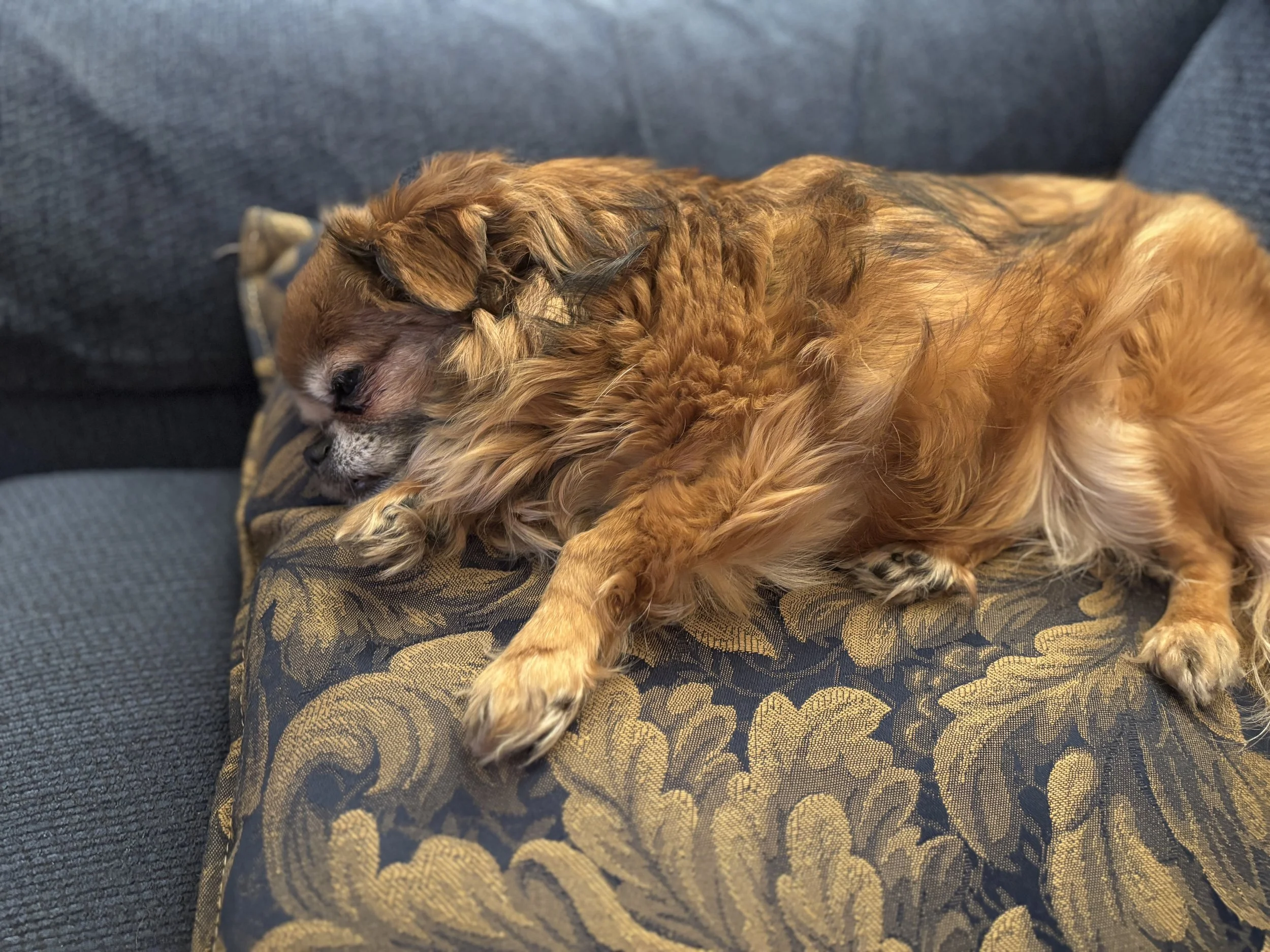
Moe stayin’ clear of company.
If your dog stays with you, use a properly fitted harness and leash under an adult's control.
Make the arrangement clear to visitors.
Tell them which door must stay closed and ask them to find you before taking the dog outside.
Assigning one adult to door duty during busy arrival times reduces confusion.
Your dog should wear a well-fitting collar with a readable ID tag and your current phone number.
A microchip adds identification if the collar comes off, but it needs to be registered with accurate contact information.
It isn't a GPS tracker.
Keep barriers in place during departures, too.
People often prop doors open while carrying gifts or leftovers, and supervision may slip after a long evening.
If your dog dislikes being confined, practice brief, comfortable stays in the chosen area before the gathering.
Familiar bedding and a safe toy can help. Don't leave a leashed dog tethered near an entrance, where the dog could become tangled or remain trapped among moving feet.
Protect small dogs from cold weather and winter hazards
Small dogs can lose body heat quickly, and short coats offer limited protection.
Puppies, older dogs, and dogs with health conditions may need extra caution outdoors.
Keep bathroom trips brief during cold weather and stay with your dog.
A well-fitting coat can help dogs that need warmth, but it doesn't make prolonged exposure safe.
Choose one that allows normal movement and bathroom habits.
Andre’ and I were challenged by finding small sweaters for our Min Pins Charlie and Tuco.
At least small enough to allow space for their, well you know, so they could do their business.
Watch your dog's behavior rather than relying on one temperature rule.
Shivering, repeated paw lifting, reluctance to walk, or attempts to turn home mean it's time to go indoors.
Wind, moisture, and coat type affect cold tolerance.
After walks, clean the paws, legs, and belly to remove ice, salt, and de-icing residue.
The American Veterinary Medical Association recommends this in its guidance on
Rinse dirty paws with lukewarm water, then dry them gently, including between the toes.
Booties may help if your dog tolerates them, but introduce them gradually indoors. Remove packed snow carefully instead of pulling it from the fur.
Store antifreeze in a securely closed container where your dog can't reach it, and clean spills immediately.
Antifreeze containing ethylene glycol is highly toxic.
Suspected ingestion needs emergency veterinary attention, even if your dog initially seems normal.
Go to the footer to snag our free Emergency Fridge Card.
It’s a printable you can download in the Contact Us section.
For holiday travel, bring your dog indoors at your destination rather than leaving them waiting in a cold vehicle.
I used to leave Moe in the car for short errands in moderate weather.
I don’t leave him in the car ever at this point. Just sharing that.
Keep a calm retreat and a familiar routine
Even friendly dogs can find a crowded holiday gathering exhausting.
Loud voices, unfamiliar visitors, and interrupted sleep can leave a small dog with little chance to settle.
Prepare a quiet room before the celebration begins.
Add familiar bedding, fresh water, and a favorite safe toy. Remove accessible medications, food, and other hazards, then let your dog spend comfortable time there before guests arrive.
A small dog sleeping peacefully on a bed with a water bowl and a toy.
Keep the room off-limits to visitors, especially children who may want to follow the dog.
If confinement causes distress, arrange a quieter supervised space with a familiar adult instead.
Don't introduce a crate on the day of the gathering and expect your dog to feel comfortable.
Keep meals, walks, and prescribed medication close to their usual schedule.
Set a reminder if hosting makes it easy to lose track of a dose.
When your dog joins the gathering, supervise interactions.
Ask children to sit calmly and let the dog approach.
Discourage chasing, hugging, and picking up the dog without permission and support.
Watch for turning away, hiding, lip licking, yawning, or a tucked tail.
These behaviors can signal discomfort. Give your dog space rather than encouraging another greeting.
A retreat works best when the dog can rest undisturbed.
Check in regularly for bathroom breaks and comfort, but don't repeatedly bring a resting dog back into the party.
Know what to do if your dog gets into a holiday hazard
Stay calm, but act promptly.
Don't wait for symptoms after a suspected poisoning.
Some harmful exposures aren't obvious immediately, and early treatment can matter.
Move your dog away from the hazard.
Remove nearby food, packaging, or decorations without putting yourself at risk.
If electricity is involved, disconnect the power before touching the dog or damaged cord when you can do so safely.
Gather the details you have.
Note the substance or object, the estimated amount, and when the exposure happened.
Have your dog's weight, medications, and any symptoms ready. Emergency Fridge Card comes in handy here.
When there’s a dog in distress, it’s easy to lose your calm.
Trust me, I know. :(
Keep the packaging or take a photo, but don't delay the call while searching.
Call for veterinary guidance immediately.
Contact your veterinarian, an emergency veterinary hospital, or ASPCA Poison Control at (888) 426-4435.
Describe what happened and follow their instructions.
Don't induce vomiting or give hydrogen peroxide, salt, milk, oil, or other home remedies unless a veterinary professional directs you.
The right response depends on what your dog swallowed and their condition. Vomiting can make some exposures more dangerous.
If your dog has trouble breathing, collapses, has a seizure, or becomes unresponsive, seek emergency veterinary care immediately.
Have another adult call ahead while you travel, if possible.
Keep your veterinarian's number and the nearest emergency hospital's contact information in your phone before the gathering.
The Emergency Card is a great back up. Sometimes panic can’t be conquered.
Good old-fashioned idea.
Then make sure another responsible adult knows where to find them if you're occupied.
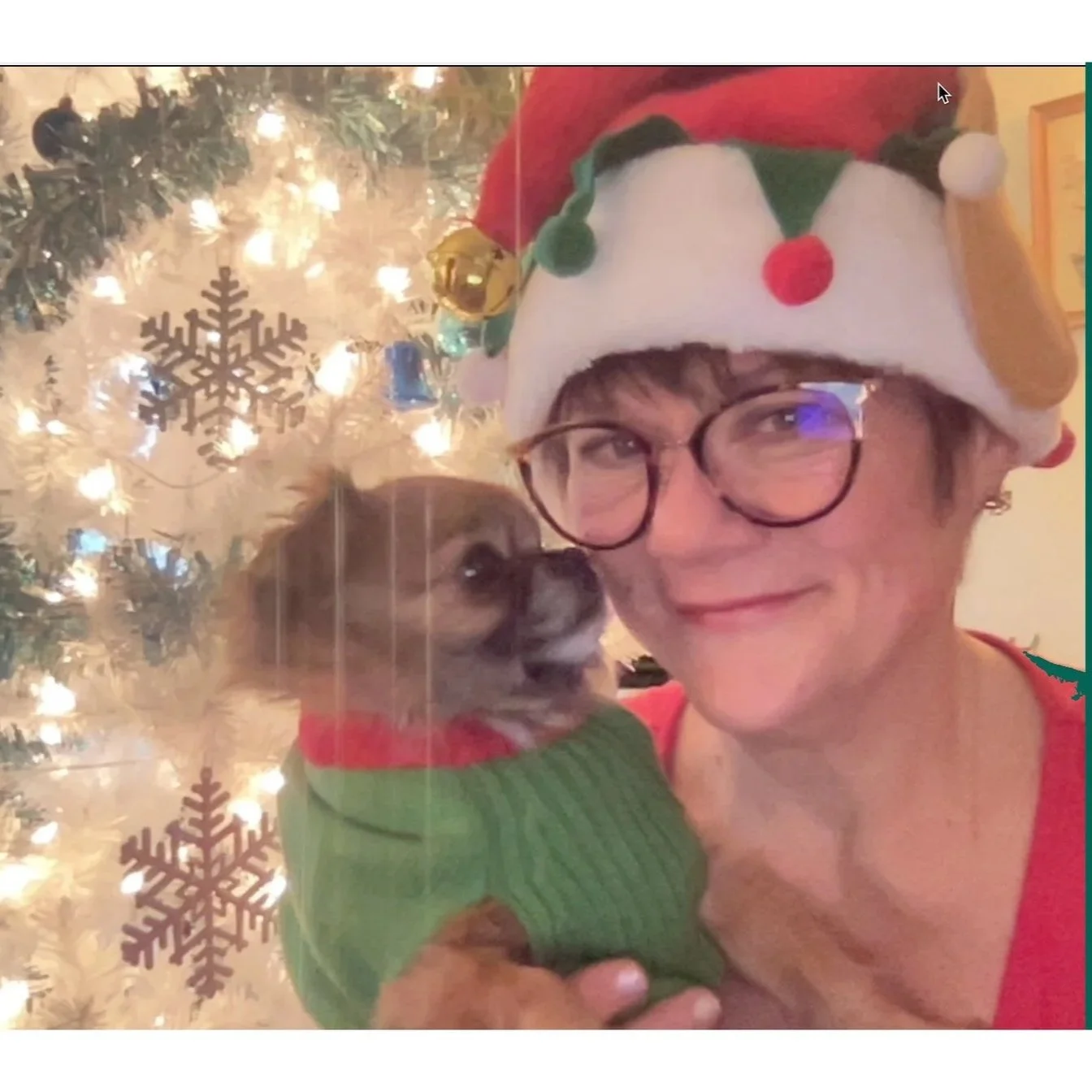
A Safer Holiday Starts Before Guests Arrive
A few practical holiday precautions can give your small dog a safer place to celebrate. Keep tempting hazards inaccessible, manage busy doorways, and protect time for familiar routines.
Plan ahead, then watch how your dog responds as the gathering unfolds. A dog that needs warmth or quiet should get it without pressure to join the fun.
When you're unsure about a possible exposure, call a veterinarian promptly. Getting advice early is safer than waiting for your dog to look unwell.